Mauritius restaurants: the 20 we actually send guests to
Twenty restaurants we've eaten at five times each, where the staff knows us, and where we'd send our parents. No fish platters warmed from frozen, no beach-bar buffets, no brochure traps. The opinionated map of where to eat across Mauritius.
Prices, opening hours and what a place accepts are our own notes, checked in August 2026. Rates move with the season, and small family-run places in Mauritius change their hours without announcing it anywhere, so treat these as a starting point rather than a timetable and call ahead for anything you are driving across the island for.
The question we get most after 'where should we stay' is some version of 'where should we eat'. It arrives in WhatsApp messages from couples on their first evening, in pre-arrival emails from groups who want to book the week before they land, and in conversations on the deck at five o'clock with guests who have already eaten somewhere disappointing and want a list that works. The internet has a thousand answers to it. Most of them are paid, half are out of date, and the rest were written by people who came here for a week. This is not that list. This is the list we use ourselves.
Three criteria run through everything below. First, we have been at least five times. Not once, not on a press visit, not on a single Friday night that happened to be good. Five times, across different seasons, with different guests, ordering different things. Second, the staff knows us. We know which table is the one to ask for, which night the proper cook is on, and which dish to skip when the regular kitchen hand is on leave. Third, we would send our parents. Cleanliness in the back, honesty in the bill, kindness when something goes wrong. If a place fails any of those three, it does not make the list, no matter how often it shows up on a top-ten somewhere else. We are not interested in the brochure version of Mauritius food; the real version is better, smaller, and less photographed.
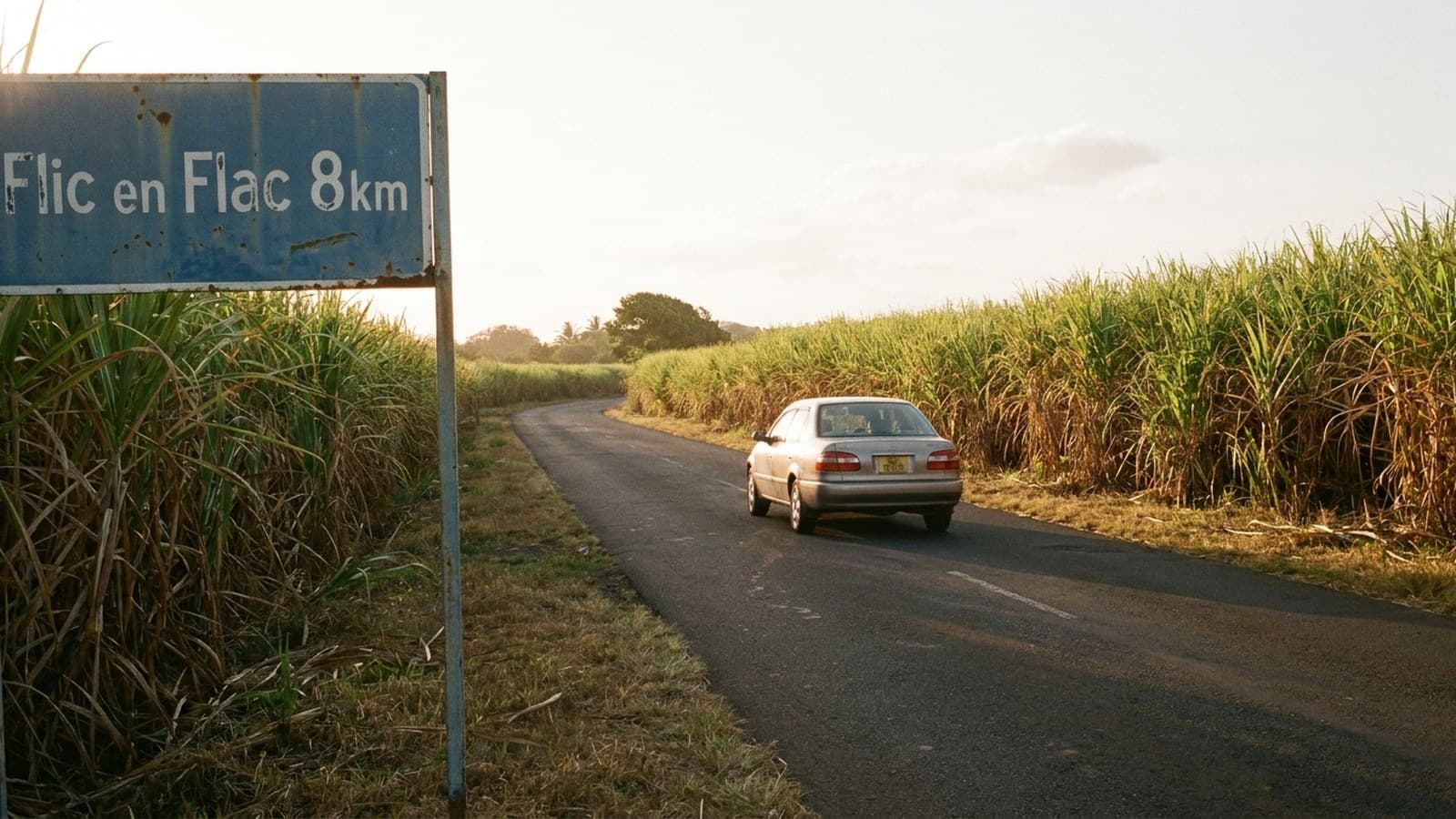
The list is ordered as a route, not a ranking. Start in Flic en Flac, push south through Tamarin, loop down to Chamarel and Bel Ombre, drive across to Mahebourg, climb back up to the central plateau, and finish in the north. Twenty entries, each with the name, the village, what to order, and the awkward detail (cash only, closed Mondays, ask twice for the lane) that the brochures miss. After the list, a short skip list of categories we deliberately do not book for guests, a primer on how Mauritius food is actually braided together, the practicals, and the meta-take.
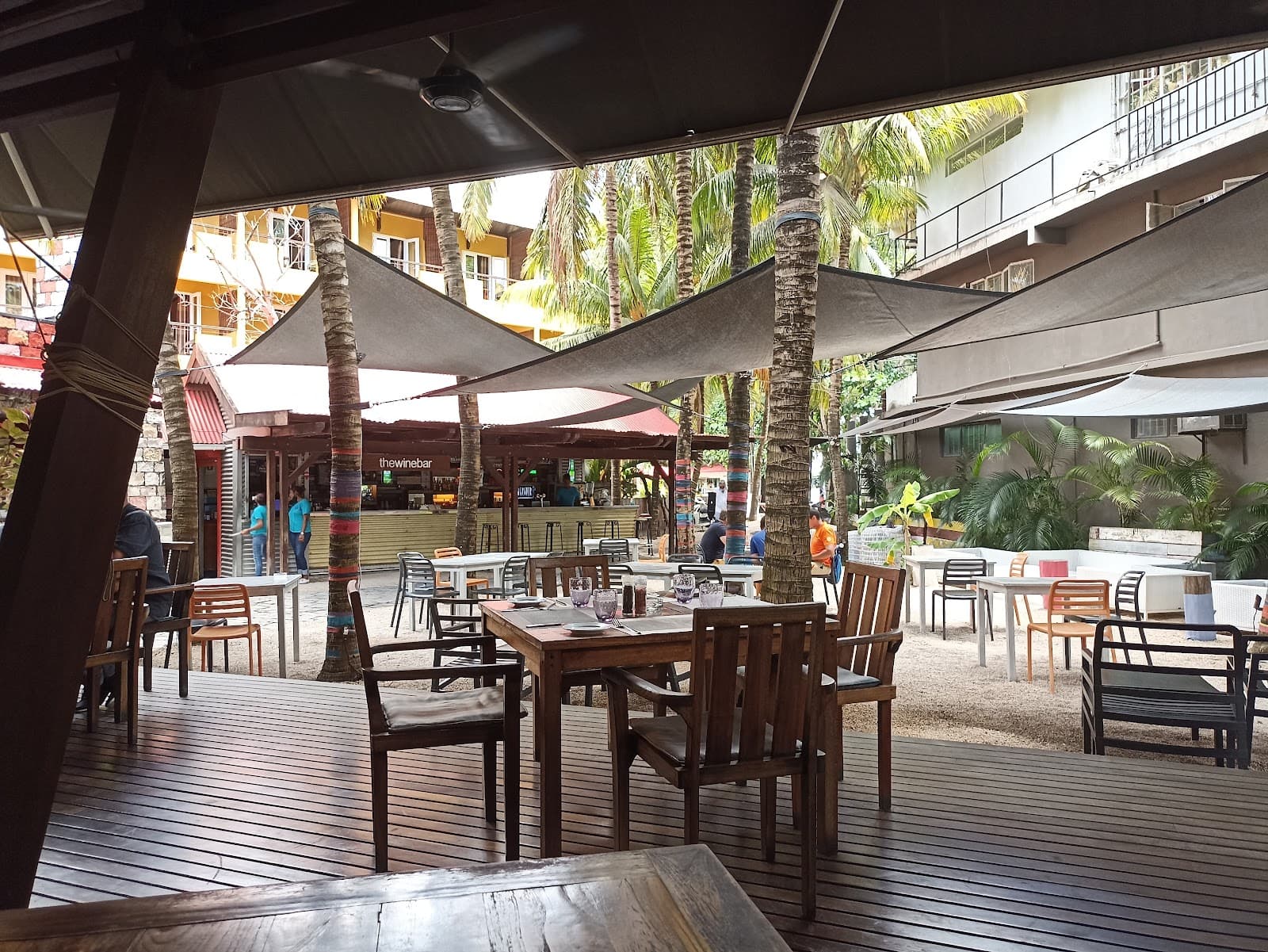
01. Tonton's. Flic en Flac. The back-courtyard table is the draw and the octopus curry is the signature order. Menus, opening hours, payment methods, dietary handling, and prices change, so verify them directly with the restaurant before going. Friday does not make the reservation for you.
02. La Madrague. Tamarin. The only restaurant we'll ask west-coast guests to drive for, and we'll ask. Lebanese-Mauritian, run by a Beiruti family who landed here twenty years ago and never left. The mezze is the entry point; the whole-fish-for-two, grilled with sumac and lemon, is what you came for. Eaten on a deck that looks down onto the working fishing bay and across to the salt pans. Tuesday afternoons are quiet and the deck is yours. Reservations Friday and Saturday by 4pm the same day or you will not get a deck table after 6. €40 a head with wine.
03. Domino Café. Flic en Flac. The breakfast we send to. Strong espresso, fresh dholl puri made in front of you at 8am, the best banana bread on the west coast, no nonsense, no surplus. Sit outside; the inside is lit for offices, not for mornings. The owner has been making the chutney since before Flic en Flac had a tourist sign at the entrance, and the chutney is the dish as much as the bread is. Three dholl puris, one strong coffee, one fresh juice: under €6. Cash and card both fine. Closes at 2pm, no dinner service.
04. Café Müller. Grand Baie. Coffee and cake, owner-run, the kind of place where the espresso is pulled by the person who roasts the beans. The flat white is the order, the carrot cake is the dish, and the sandwich on dark bread at 11am is the proper second breakfast. Closes 4pm sharp and does not open Sundays. Around €10 for coffee and cake. Walk-in works most days; the corner table by the window is the one to angle for.
05. 360°. Grand Baie marina. Sundown drinks. We send guests here for one specific thing: the cocktail and the sunset, with the marina lights coming on as the colour fades. Skip the food, do the cocktails. A passion-fruit caïpiroska and a corner table at 6 in May or November, when the light goes pink over the bay. Around €12 a cocktail, two-drink minimum on weekends. Reservations help on weekends; weeknights walk in.
06. Cocoloko. Pereybère. Beach-front, casual, the kind of place where lunch turns into a swim turns into a beer turns into a second lunch. Get the prawns and the calamari. The chips are honest, the fish of the day is honest, the burger we have no view on because we have not ordered it. Around €20 a head with a Phoenix. They take cards. Open every day, busiest at 1pm on a Sunday when the local families come down.
07. La Rougaille Créole. Pereybère. The traditional Creole table d'hôte. A set menu, four courses, served at communal tables, which is part of the deal. Octopus salad, fish vindaye, prawn rougaille, banana flambé. Book ahead, ideally two days, because the kitchen prepares for the covers it has and there is no off-menu. About €28 a head, BYO wine accepted with a small corkage. Closed Sundays. The single best introduction to Creole home cooking that is also a restaurant.
08. La Vieille Rougaille. Mahebourg. Day-trip dinner. Worth the drive from either coast, but only if you have already decided you want a slow evening; budget ninety minutes back to Grand Baie, fifty to Flic en Flac. Hidden lane behind the seafront — ask twice, the GPS will lie. The catch-of-the-day grilled over coals, the heart-of-palm salad, and the rum from behind the bar that does not have a label. Cash preferred, cards work. About €25 a head. Closed Tuesdays. Reservations the day before.
09. Brasserie Chamarel. Chamarel. The lunch stop on the south-west loop. Restaurant inside the Rhumerie de Chamarel grounds. The view across Black River bay from the terrace is the thing; on a clear day you see Le Morne and the whole curve of the south-west coast. Solid Creole, not adventurous, just done well. Palm-heart salad, smoked marlin, daube of octopus. €30 a head with a glass of rosé. Book a terrace table the day before; the inside ones are the consolation. Kitchen closes orders at 2:30 sharp.
10. Le Château de Bel Ombre. Bel Ombre. Special-occasion only, colonial estate setting, the kind of dinner you book for a birthday or an anniversary or because you want to dress up for one evening. Tasting menu, French-leaning Mauritian, in the restored mansion with the gardens lit at dusk. Around €120 a head with the wine pairing. Reservations a week ahead in season. We send guests here once per stay, not more; the place earns its place by the rarity.
11. Big Willy's. Flic en Flac. Burgers and pasta, on the beach, family-friendly, the after-swim default for guests with children. Skip the pizza, which was sent back the one time we ordered it. The fish and chips and the burger are honest, the chips are the right kind of greasy, the kids' menu is real and not a cynical kids' menu. The sunset over the lagoon is the side dish; do not eat indoors. €18 a head, cards fine. Open every day, no reservations after 4pm in high season — go before 7 or after 9.
12. Cuisine de Maurice. Tamarin. Lunch buffet, local food, cheap and cheerful, the canteen the local office workers eat at on a Tuesday. Three curries on rotation, a vegetarian dal, a salad bar that is honest about being a salad bar, and a daily fish. €8 a head, water and bread included, dessert €2 extra. Cash only. Closed Sundays. Lunch service only, 12 to 2:30. This is what eating like a Mauritian on a weekday actually looks like, and the food map of the island is not complete without it.
13. Chez Pépé. Tamarin. Pizza and simple grills, the after-beach default for nights when you want to sit down, eat something good, and not think about it. The pizza is wood-fired and proper; the rougaille of prawns is the off-menu order if the cook is in. €15 a head, cards fine. Closed Mondays. The terrace is the table; the indoor room is fine but loud when it is full. Walk-in works most weeknights; weekends call by 5pm.
14. La Goulette. Trou aux Biches. Mediterranean-leaning, with an actual Provençal cook in the back and an octopus-grill habit that the rest of the north has not caught up to. The grilled octopus is the dish — charred, lemon, olive oil, salt, nothing else. The pissaladière is the starter. The fish soup is what to order if it is on, which is not always. €35 a head with wine. Closed Tuesdays. Reservations the day before.
15. Le Bistrot du Vieux Moulin. Eau Coulée. Inland, country-feel, the kind of evening that reminds you Mauritius is also a farming island and not only a coast. Old converted mill, garden seating in season, an indoor room with a fireplace for the cool winter nights at altitude. French-leaning Creole, a short menu, a wine list that knows what it is. Around €40 a head. Reservations needed, two days ahead in season. Worth the drive from either coast for a guest who wants one inland evening.
16. Place Foch dholl puri vendors. Port Louis. Street food, in the capital, before 11am. Specific street stalls run by the same families for decades. The dholl puri is the order: thin yellow lentil-flour flatbread, with bean curry, tomato chutney, and a coriander sauce that varies by stall. The best in the country, in our view. Cash only, very small notes preferred. Three dholl puris and a soda: under €2. Go before 11 because the lunchtime queue from the office workers stretches around the square, and the stalls sell out by 1.
17. Mahebourg market food court. Mahebourg. Wednesday and Saturday, the market is open and the food court at the back is the second reason to come (the first is the textile and produce stalls). Fish biryani at one stall, roti chaud at another, a fresh-fruit-juice counter, a fried-pastry corner that is what we wish the airport had. Pull up a plastic stool. Cash only. Around €4 for a full lunch. The fish at the front of the market is also worth a look if you are self-catering on the south, but the food court is what you actually came for.
18. Le Pot du Sablier. Curepipe. Tea-and-cake stop on the way to Black River Gorges, in the highland town, inland and cool. The kind of small tea-room the British colonial era left behind, run with care by a Mauritian family who took it over a generation ago. Vanilla tea from the local plantation, a slice of the chocolate-rum cake, the upstairs window seat. €8 a head. Open every day, closes at 5. Cards fine. Combine with the Trou aux Cerfs volcano view five minutes away and you have an inland morning that is its own thing.
19. The villa kitchen plus a chef night. Anywhere. This can be a relaxed in-residence alternative to a restaurant, but it is a separate provider service. Confirm the menu, dietary and allergy controls, food-safety arrangements, staffing, access, cleanup, total price, and cancellation terms directly with the chef. Friday does not currently book or invoice this service through friday.mu.
20. La Plantation. Trou aux Biches. Sunday brunch. The kind of long, generous, two-hour brunch with a buffet, a chef station, fresh prawns, a cheese board, and a pastry table, in a colonial-style room with garden seating in the dry season. €45 a head with bubbles, half-price for under-twelves. Reservations a week ahead in season; the table by the garden window is the one to ask for. This is where we send guests on their last Sunday before they fly out, because the airport is forty minutes away and the brunch ends at 2.
The skip list — categories Friday does not book for guests. Five things we deliberately avoid, in the broadest possible terms because the names change year to year and the categories do not. One: the hotel beach-bar buffets, anywhere on the island. They survive on captive guests who do not want to drive, and the kitchen has no incentive to be more than fine. If you are inside a hotel and the food is in the package, eat there; otherwise, drive ten minutes. Two: the over-touristed beach-front restaurants on the main strips, the ones with a chalkboard menu in three languages and a tout outside waving you in. They survive on people who do not know better, and the seafood platter has been in the freezer since Tuesday. Three: the 'private chef on a yacht charter' packages where the price of the boat hides a thin kitchen, the marinated chicken has been catered, and the rum is the cheap one. Charter the boat for the boat, eat the food before or after. Four: the dinner-show packages with sega dancers on a stage and a buffet at the back. The sega is a real and beautiful art form, and a beach BBQ with a local band is wonderful; the staged dinner-show version is neither. Five: the seafood-by-weight tourist traps clustered near Grand Baie marina, where the menu is the catch and the catch is whatever has been on ice longest. If you want fish, eat it where the fishermen land it, not where the boats park.
How to think about Mauritius food. Four streams braid together on a Mauritian plate and the country is the only place they sit like this. The Creole stream is the dominant one for the everyday cook: the rougaille (tomato-base, garlic, ginger, fresh herbs, often a salt-fish or a sausage or a prawn), the daube (slow-cooked meat or octopus in a richer sauce), the bol renversé in its lid-flip presentation. The Indian stream is the curries: masala-based, dry or wet, with curry leaves and mustard seeds and the household masala that nobody writes down. The dholl puri is the great Indo-Mauritian street food, the briani is the wedding-and-feast centrepiece, and a vindaye (fish, vinegar, mustard, turmeric) is the cold-served counterpoint to a hot rougaille. The French stream runs through the colonial era and shows up as the bouillabaisse-style fish stews on the white-tablecloth menus, the daube preparations on the inland farm-restaurant menus, and the patisseries you will find in every small town. The Chinese stream, mostly Hakka and Cantonese in origin, is the bol renversé itself (which is Sino-Mauritian by parentage), the noodle soups served at the corner counters, the mine frit and the riz frit at every casual lunch counter, and the dim-sum lunches that the older Sino-Mauritian families still cook on Sundays at home.
Spices to watch for: saffron (used real, used sparingly, and in the wedding-grade brianis); curry leaves (the deep aromatic that distinguishes a real Mauritian curry from a generic one); mustard seeds (popped first in the oil, the bottom note in vindaye and many curries); fresh ginger and garlic, paste-pounded together before the onion goes in, which is the foundation of nearly every savoury dish on a Creole stove. If a kitchen does not have those four, the kitchen is not Mauritian.
Practical, end-to-end. Reservations are not as formal as in Europe — a phone call at 4pm for an 8pm table will usually work, but the deck and window tables go to those who call first. We default to booking the day before. Cash versus card: most places take cards, but the family-run ones (Tonton's, Cuisine de Maurice, the Place Foch dholl puri stands, the Mahebourg food court) are cash only, and the cash they want is small notes, not 2,000-rupee bills. Tipping is 10% standard when service is not included, which is most of the time, and a round-up at minimum when it is included. The local minimum wage is real and the difference is noticed. Opening hours patterns: Sundays are long lunches and short dinners, Mondays are widely closed (about half the list above takes Monday off), and dinner service often runs short — most kitchens close orders at 9:30, the better ones at 10. Reservations for special-occasion places (Le Château de Bel Ombre, La Plantation Sunday brunch, La Madrague Friday deck) need a week in season. Smoking is banned indoors and you will get told politely if you light up; outdoor terraces vary, look at what other guests are doing.
Three places no one regrets. Tonton's for the curry, La Madrague for the deck, Place Foch for the dholl puri. If you do nothing else from this list, do those three, on three different days, and the food map of the island clicks into place. Everything else here is the texture around those three. We will tell you over WhatsApp on the second day which other entries are worth the drive that week, depending on which night the proper cook is on at each, because the kitchens have weeks and the better lists are the ones that adjust. Eat where the staff remembers you on the second visit, tip the round-up, and skip the buffet that wants you to come back tomorrow for the same fish in a different sauce. The food on this island is small, particular, and the best of it is not where the brochures point.