Best beaches in Mauritius, by use case
Mauritius has roughly 150km of coastline and most of it is publicly accessible. This is the honest curated list we use ourselves, not a top-ten-must-see exercise.
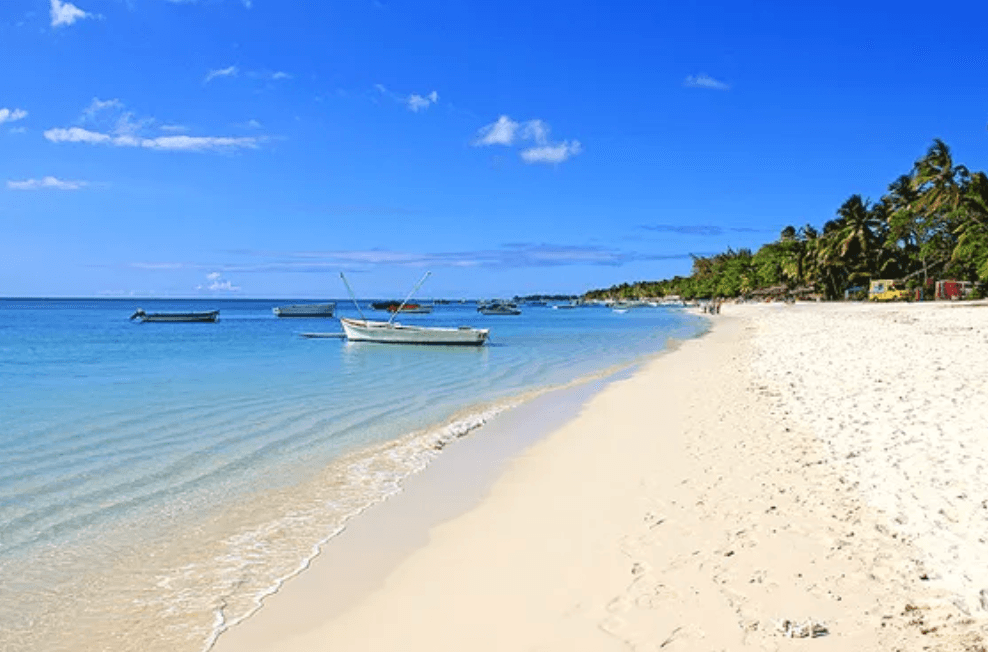
Mauritius has roughly 150km of coastline. Almost all of it is publicly accessible by Mauritian law, even where a hotel sits in front of it. That means a lot of choice, and a lot of bad ranked lists that read like a press release for whichever resort sponsored them. This is not that. This is the honest version, the one we send to guests who ask which beach is worth their morning when they have five days and don't want to spend half of them in a car.
We've ordered the twelve by region rather than by ranking, because the right answer almost always depends on where your residence is and what you're trying to do that day. A black-sand bay at sunset is a different decision from a long sandy lagoon with a toddler at 11am. The categories at the start of each entry tell you what each beach is for. If you scan only those and skip the prose, that's fine, the categories carry the message.
One framing point before the list. The west coast (Flic en Flac, Tamarin, Le Morne) sits leeward of the south-east trade winds and wins on sunsets, with the sun dropping into the lagoon every evening of the year. The north coast (Grand Baie, Trou aux Biches, Pereybère) is the dining and dive strip, with shorter beaches but more variety per kilometre. The east coast (Belle Mare, Île aux Cerfs) has the longest open beaches and the busiest day-trip operators. The south (Blue Bay, Riambel) is wilder, less developed, and the marine park is genuinely special. Pick by trip, not by photograph.
1. Flic en Flac. West coast, around 60 to 70 minutes from SSR airport. The longest single public beach on Mauritius at 19km, casuarina pines lining most of it, fine white sand, calm leeward lagoon. Family default for the west, and our home base for half of the residences. Best for families, sunsets, long walks, first-time visitors who want one beach to anchor a week. Practical notes: parking everywhere along the coastal road, no lifeguards (Mauritian beaches rarely have them), Tonton's and Domino Cafe are walking distance from the village centre, the Wolmar end is quietest. Honest opinion: weekday mornings before 10am are the cleanest hours, by 11am on a Saturday the families with parasols are in.
2. Tamarin Bay. West coast, fifteen minutes south of Flic en Flac. Black sand (volcanic, not dirty), a surf reef offshore that breaks consistently, and the sunset spot on the island for those of us who actually live here. The bay opens to a river mouth where dolphins come close in early morning. Best for surfers, sunset drinks, dolphin spotters, people who don't need postcard white sand. Practical notes: parking at La Madrague or along the coastal road, La Madrague does Tuesday afternoon lunch, the surf school at the south end of the bay is the one to book. Honest opinion: skip at low tide, the reef pokes up. Go for the sunset, stay for dinner.
3. Le Morne public beach. South-west coast, 45 minutes south of Flic en Flac. Kitesurfing headline of Mauritius, with the trade winds funneling through the channel between the Le Morne peninsula and the reef from June through October. The dramatic backdrop is real, the peninsula rising 556 metres straight out of the lagoon. Best for kitesurfers, photographers, people who want one big-scenery beach day. Practical notes: parking at the public beach next to the One&Only entrance, no food on the beach itself, drive ten minutes south to La Gaulette or fifteen north to Tamarin for lunch, kite schools cluster at the kite lagoon south of the peninsula. Honest opinion: in kite season (June to October) the wind is constant and the swimming is choppy, in summer (November to April) it is calm and beautiful. Pick your month.
4. Trou aux Biches. North coast, around 80 minutes from SSR airport. Calm, clear, family default for the north. A long sandy stretch lined with casuarinas, glassy lagoon, the reef close enough for a snorkel without a boat. Best for families with young kids, snorkelers, anyone in the north who wants the calmest swim. Practical notes: parking along the coastal road, a few small restaurants and beach shacks at the south end, the public beach is separate from the resort frontages but the whole shore is walkable. Honest opinion: this is the north's version of Flic en Flac, slightly shorter and slightly busier per metre, but the water clarity is hard to beat.
5. Mont Choisy. North coast, between Trou aux Biches and Grand Baie. The longest beach in the north at around two kilometres, lined with casuarinas, picnic-friendly because of the shade and the public benches. Local families come on Sundays with charcoal grills and stay until sunset. Best for picnics, family days, people who want a long walk, anyone who wants to see Mauritius using its own beach. Practical notes: parking at multiple entry points off the coastal road, a few snack vans and small restaurants at the north end, no lifeguards. Honest opinion: weekday mornings are quiet and beautiful, Sundays from 11am are a different kind of beautiful but not the postcard one. Plan around the crowd you want.
6. Pereybère. North coast, ten minutes north of Grand Baie. A pocket beach, sandy crescent, snorkel-friendly because of the reef close in, restaurants right behind the sand. Best for snorkelers, walk-to-dinner trips, couples who want a short beach with food options nearby. Practical notes: parking behind the beach (limited, arrive before 10am on weekends), Wapalapam and the small creole places along the road behind the beach are the spots, snorkel gear rental at the beach. Honest opinion: the snorkel is genuinely good for a beach you can walk to, this is where I bring guests who want to see fish without a boat. Avoid Saturday afternoons.
7. La Cuvette. North coast, the hidden corner of Grand Baie. Quiet residential beach, often empty even when Grand Baie centre is full, a few hundred metres of sandy crescent ringed by small holiday villas and one Royal Palm Beachcomber at the north end. Best for quiet swims, residents and long-stay guests, people who want to escape the Grand Baie strip. Practical notes: parking limited along the residential road, no restaurants on the beach itself but Grand Baie is a five-minute drive, no facilities. Honest opinion: weekday only, weekends fill with locals from Grand Baie. The lagoon here is shallower and warmer than Pereybère, which makes it the toddler-friendly choice for families staying in Grand Baie.
8. Cap Malheureux. North tip of the island. Not really a swimming beach, but the view spot of Mauritius: the red-roofed Notre Dame Auxiliatrice church in the foreground, the Coin de Mire islet rising out of the lagoon behind. This is the photograph most people have already seen before they land. Best for photographers, sightseers, a 30-minute stop on a north-coast day. Practical notes: parking at the church, a couple of small snack stops along the road, no lifeguard or proper beach, the shore is rocky in places. Honest opinion: it's a view, not a beach day. Stop, take the photo, drive ten minutes south to Pereybère if you want to swim.
9. Belle Mare. East coast, 50 minutes from Grand Baie. The longest beach on the island depending on how you measure, around eight to ten kilometres of open sand with very few buildings between the dunes and the sea. Friday doesn't have residences here, so we treat it as a day-trip beach, but it works. Best for long walks, big-open-space days, photographers, anyone who wants to see what an undeveloped Mauritius beach feels like. Practical notes: parking at multiple public access points off the coastal road, food at Constance Belle Mare Plage public access or back inland at Centre de Flacq, no lifeguards. Honest opinion: the east is windier and the lagoon is rougher than the west, which means kids will get pushed around by small waves. Beautiful, but not the calm-lagoon picture postcard.
10. Blue Bay. South-east coast, near the airport. Marine park, snorkel destination, the most reliable place on the island to see coral and reef fish from the shore. The bay itself is a protected lagoon with a deep blue patch in the middle, which is the marine park boundary. Best for snorkeling, day-trippers from the south or the airport region, people who want to see the reef without going on a full boat trip. Practical notes: parking at the public beach (small fee), glass-bottom boat operators at the launch site, restaurants at the small village just inland, the marine park rules ban touching coral or feeding fish. Honest opinion: go before 10am or after 3pm to miss the day-trip groups, the reef in the marine park is genuinely good and not crowded if you time it right.
11. Riambel. South coast, undeveloped, the wild Atlantic-feel beach of Mauritius. No resorts in sight, a long sandy stretch with the sound of waves breaking on a more open shore than the lagoon coasts. Best for people who want quiet, photographers, weekend escape from the developed west or north. Practical notes: parking at a few public access points, no restaurants on the beach (drive five minutes inland to Surinam or Souillac for food), no lifeguards, the swimming is more open-ocean here so currents are real. Honest opinion: this is where I go when I want a beach to myself. Not the postcard turquoise, but the better beach if you've seen the postcard ten times already.
12. Île aux Cerfs. East coast, an island in the lagoon reached by boat. The postcard of Mauritius for many people, white sand and turquoise water in every direction. Genuinely beautiful, also genuinely crowded by 11am because every catamaran tour drops here. Best for the postcard photograph, families on a catamaran day, first-time visitors who want the cliched view (and that's fine, the cliche is earned). Practical notes: boat from Trou d'Eau Douce, public boats hourly, private speedboat transfers from a few operators, restaurants on the island, golf course in the interior. Honest opinion: arrive on the first boat (8:30am) and leave by 11:30am, you'll have the beach almost to yourself for the first two hours. Or skip entirely if crowds annoy you.
The skip list. A few beaches we don't push, in the spirit of being useful rather than complete. Grand Baie centre itself is more bay than beach, the better north beaches are five minutes away. Choisy Public Beach on Sundays during peak season is a parking war we'd send no guest into. Île aux Cerfs after 11am is the same beach as Île aux Cerfs at 9am but with five hundred more people on it; the value-to-stress ratio collapses. The Mauritian rule that all beaches are public is real, but human nature concentrates around the resort access points, walk five minutes and the crowd evaporates.
How to think about beach choice, the heuristics version. Four practical filters, in order of impact. Coast orientation. The south-east trade winds blow most of the year. The west coast (Flic en Flac, Tamarin, Le Morne) is leeward and calm; the east coast (Belle Mare, Île aux Cerfs) is windward and choppier. If the day is windy and you want a calm lagoon, drive west. If the day is calm and you want a long open beach, drive east.
Tide times. Mauritius tides are small, around one to one and a half metres, so they don't make or break a day. But they do matter for two things. Reef snorkel beaches (Pereybère, Blue Bay) are better at high tide, because there's more water over the coral and you don't graze. Wading beaches with toddlers (Trou aux Biches, La Cuvette) are easier at high tide because the firm sand is closer in. Apps like Tides Near Me handle the local data, the marina tide gauge at Port Louis is the reference station.
Reef vs no-reef. Almost all of Mauritius is protected by a fringing reef a few hundred metres offshore, which is what makes the lagoons swimmable for kids. The exception is Tamarin Bay (river mouth, partial reef) and Riambel and the south coast generally (more open shore). If you have non-swimmers or small kids, stick to the reef-protected lagoons of the west and north. If you want bodysurfing or open-ocean feel, go south.
Time of day. This matters more than people expect. Most beaches are at their best 7am to 10am: light is good, crowds haven't arrived, wind hasn't picked up. 4pm to sunset is the second window. The 11am to 3pm slot is the worst of all worlds: hottest sand, most parasols, choppiest water. Plan around the windows, not against them.
If we had to pick one each. For sunset, Flic en Flac, the long beach lets you walk away from any group and watch the sun drop alone if you want to. For a swim, Trou aux Biches, the water clarity is hard to beat. For surf and sunset together, Tamarin Bay, end of conversation. For a snorkel from the beach, Pereybère if you're in the north, Blue Bay if you're in the south. For a long walk, Belle Mare on the east. For a postcard photograph, Île aux Cerfs at 9am. For the beach we actually take a day off to go to ourselves, Riambel, because it is empty and quiet and reminds us why we live here.
A short closing thought. Beaches are personal. The best one for you is the one near your residence on the day you have, with the weather you have, at the time you go. The list above is a starting point, not a ranking. If you stay with Friday, the team can tell you which beach is best for your specific morning based on the wind forecast and where you are.
If you're still working out which coast to base yourself on, read our Flic en Flac vs Grand Baie comparison or browse residences in the west and residences in the north. For things to do beyond the sand, see our things-to-do guide.