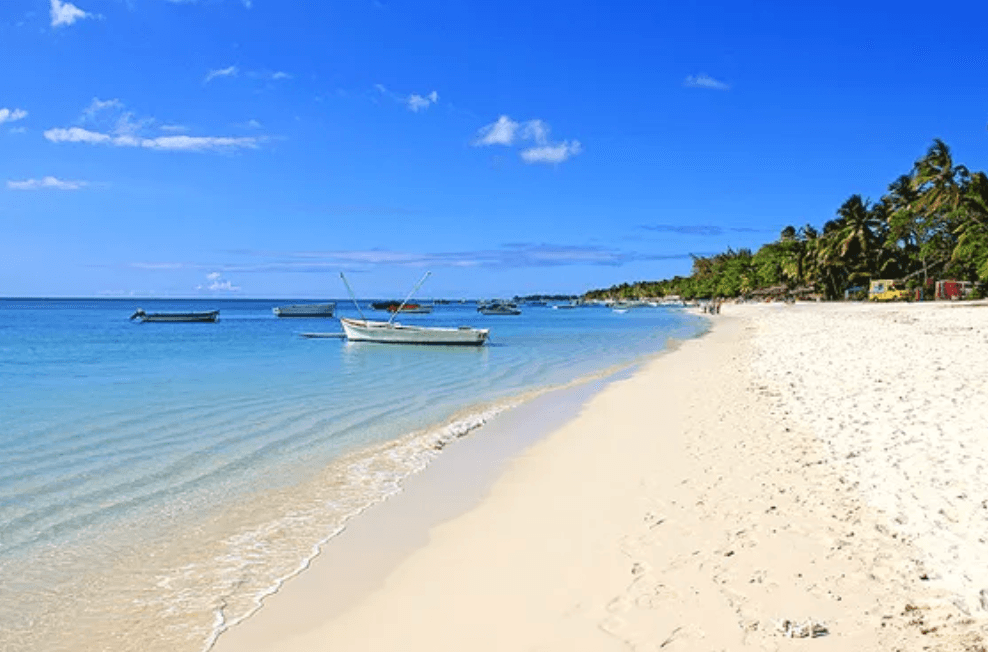
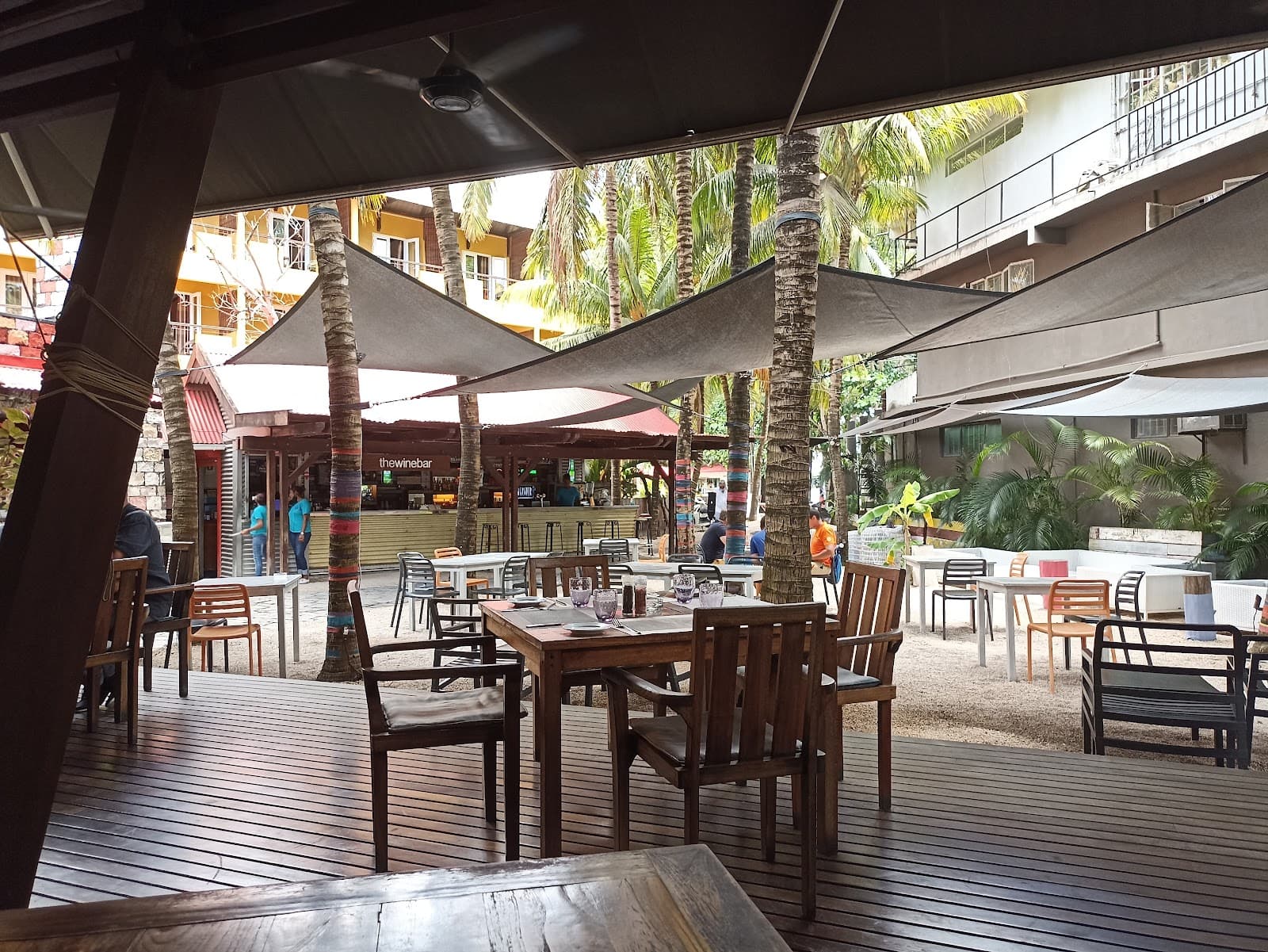
How long to stay in Mauritius: 7, 10, and 14-day itineraries that actually work
The most-asked question we get before guests book. The honest answer, the planning order most people get backwards, three day-by-day itineraries, and the cost-and-pacing tradeoffs nobody publishes.

Prices, opening hours and what a place accepts are our own notes, checked in August 2026. Rates move with the season, and small family-run places in Mauritius change their hours without announcing it anywhere, so treat these as a starting point rather than a timetable and call ahead for anything you are driving across the island for.
The most common question on the first call with a Friday guest is some version of 'how long do we actually need'. The answer matters more than people think it does: the wrong length is the single biggest reason a Mauritius trip underperforms its potential. Too short and you spend half the trip recovering from the flight and never settle; too long without a plan and the second week becomes a slow slide where you cancel the catamaran day because you can't be bothered. This guide is the planning conversation we have on the phone, written down. It is honest about money, honest about pacing, and aimed at giving you the framework to choose your own length rather than just being told one.
The honest length recommendation by traveler type. For a couple on a first visit, the minimum is seven nights and the ideal is ten. For a family with kids under twelve, ten nights minimum and twelve to fourteen ideal — kids need a settle day on either end and longer rhythms between activity days, and you'll have a better trip with thirteen nights and one big catamaran day than with nine nights and three. For solo travelers or remote workers blending working days with the holiday, two to three weeks is the right length and the per-night cost of the residence keeps falling because the cleaning and arrival logistics amortise. For honeymoons, eleven to twelve nights is the answer we keep landing at — the longer treatment is in our honeymoon pillar, but the short version is that seven is a holiday and twelve is a honeymoon and the difference shows up in the quality of the second week.
Why one week is the floor. From most European departures, the flight is twelve to fourteen hours of flying plus two to four hours of layover, and the time-zone shift is two to four hours depending on where you start. Day one is arrival and a nap. Day two is jet-lag groggy by 4pm. Day seven is the morning you fly home. That leaves four full days for everything else, and if any of them are rainy or a catamaran day gets postponed by wind, you've lost a meaningful chunk of the trip. Seven works, and we book it often, but you should know that you're trading depth for a calendar. We'd push hard for nine nights if you're considering seven.
Why fourteen is the ceiling for most travelers. Past fourteen nights, the diminishing returns kick in. You've seen the west coast, you've done the south-west loop, you've eaten at the places that justified the conversation, you've had the rain afternoon and the beach afternoon. Day fifteen is when most non-working travelers feel ready to go home, and the residence stops being the trip's centrepiece and starts being a base for late-stage decisions you don't want to make. The exceptions are remote workers (where the residence is the office and the trip is the rhythm) and multi-generational family stays where the long arc serves the group rather than any one person. For everyone else, two weeks is the natural ceiling.
The planning order most people get backwards. Most first-time visitors plan in this order: pick a beautiful villa from Instagram, pick the activities they want to do, then squeeze the dates. The right order is the opposite. Dates first, because cyclone season is real, school holidays compress everything, and the weather difference between June and February is the difference between two different islands; we go deep on the seasonality in when to visit Mauritius. Base second, because the coast you stay on shapes every day of the trip more than any individual decision; the comparison piece is Flic en Flac vs Grand Baie. Itinerary third, because once dates and base are set, what you do each day becomes the easy part. We tell guests to commit to dates and a coast before anything else, and the trip plans itself.
## The seven-night itinerary
Audience. Couples on a first visit who can only get seven nights, families on a tight school-break window, anyone where the dates are not negotiable. Single base on the west coast, almost no driving, two booked activities, the rest is residence and beach.
Day one. Arrival. Land at Plaisance airport mid-morning to mid-afternoon and use a separately booked licensed transfer or rental car to reach the residence. Friday does not currently sell transfers through friday.mu. Keep the first evening light and verify any restaurant opening or delivery details directly.
Day two. Settle. Pool morning, beach by 11, lunch back at the residence, afternoon nap, evening walk to the Casela end of the beach for sunset, dinner at Tonton's after 7pm (the masala the trip will be remembered for). No driving, no activities, no decisions. The day is the cost of arriving well.
Day three. Catamaran day. Pick-up at La Gaulette at 8am for the Île aux Bénitiers catamaran. Spinner dolphins by 8:30, snorkel by 10, grilled lunch on the island by 11:30, hammock until 2, sunset on the way home, back at the residence by 6. The longer write-up is in our Île aux Bénitiers guide. Dinner: order in, the day is enough.
Day four. Slow morning. Coffee on the terrace until 10, walk to the supermarket for the fish counter, lunch at the residence, afternoon at the beach. This day matters because the trip's rhythm needs an empty slot every fourth day — without it, day five becomes the day someone gets snappy. Dinner at Chez Pépé in Tamarin if you want to drive, La Madrague if it's a Tuesday afternoon and you want to walk slowly back to the residence after.
Day five. South-west loop with driver. Pick-up at 8:30, our driver runs you through Chamarel (the Seven Coloured Earths before the coaches arrive at 11), Black River Gorges, La Madrague for the deck at sunset. Around €240 for two for the full day (€120 per person). The longer guide is at south-west loop. Home by 7, dinner light at the residence.
Day six. Last full day. This is the only flex day in a seven-night trip. The options: a second catamaran day with the smaller-boat dolphin swim, a Le Morne hike at sunrise for the fit, a Tamarin Bay morning for the older kids, or a do-nothing day at the residence which we'd actually recommend on a seven-nighter because day seven is the flight. Long dinner at Le Capitaine or a chef-night at the residence (Friday can arrange).
Day seven. Departure. Slow morning, late checkout if we can negotiate it (often we can), airport transfer three and a half hours before takeoff. Done.
## The ten-night itinerary
Audience. The Friday default. Couples on a proper first visit, families with the room to breathe, anyone who can secure ten nights. Single base on the west coast, one trip to a second coast as a day-out (not a relocation), three booked activities, plenty of empty time.
Days one to seven. The seven-night itinerary above, slightly slower. Day four still empty, day five south-west loop, day six flex.
Day eight. North coast day-trip. Driver pickup at 8:30 for a day out: Trou aux Biches in the morning (the postcard lagoon and the best north-coast swim), a long lunch at La Goulette in Trou aux Biches for the grilled octopus (closed Tuesdays), Cap Malheureux at 3 for the Notre Dame Auxiliatrice church photo, Grand Baie market by late afternoon if it's a Wednesday or Friday. Back at the residence by 7. The whole-day driver is around €220 for two.
Day nine. The slow day. This is the day the ten-night trip earns its keep. Late breakfast, beach until 2, residence afternoon, walk on the beach at sunset, a long dinner somewhere local. The discipline of doing nothing on day nine is what makes day ten not feel like a rushed exit.
Day ten. Last full day. Replace the seven-nighter's day-six flex with something a notch more ambitious: a chef-dinner at the residence with friends from neighbouring residences, or a private dolphin-swim morning, or a second south-west loop with stops at places you missed the first time. The flight is the next morning, and the trip ends the right way.
## The fourteen-night itinerary
Audience. Honeymoons, families with kids over six, multi-generational groups, remote workers blending one week of working days with one week of holiday days. Two-base structure is optional but recommended: ten nights in the west, four nights in the north, with a Tuesday relocation that becomes a soft second-arrival day.
Days one to ten. The ten-night itinerary above, with the day-nine slow day stretched to a slow-three (days nine, eleven, and the morning of twelve). The west-coast residence does the heavy lifting.
Day eleven. Relocation morning. Slow checkout from the west-coast residence at 11, driver pickup, lunch on the road (Pamplemousses Garden if the route works, or Port Louis market for a dholl puri lunch which the kids will quietly love), arrival at the Grand Baie residence by 3pm. Settle, beach walk at 5, easy dinner in.
Day twelve. North-coast exploration. Mont Choisy beach in the morning, lunch at La Madrague's sister restaurant in Pereybère, afternoon at Cap Malheureux for the photos and the church, sunset somewhere on the north coast which is a different sunset than the west (the sun is to your left rather than dead ahead). Dinner at one of the Grand Baie places we recommend in our restaurants guide.
Day thirteen. The east-coast day. Drive to Ile aux Cerfs (the catamaran trip from Trou d'Eau Douce, not the package), see Belle Mare, eat a long lunch, drive back via the central plateau. This is the day we don't do on a seven-nighter because it doesn't fit; on a fourteen-nighter it slots in and gives you a sense of the whole island.
Day fourteen. Slow last day. The discipline by now is muscle memory. Beach, residence, sunset, dinner in. Pack quietly.
Day fifteen. Departure. Same as day seven of the seven-night trip. Late checkout, airport transfer, done.
## Single base versus multi-base
The default is single base. Our recommendation, applied across roughly nineteen out of every twenty Friday bookings, is that you pick one residence and stay there the whole trip. The logic is operational. Every move is half a day lost to packing, transit, unpacking, and learning a new kitchen. Mauritius is small enough that no part of the island is more than ninety minutes by road from another part, and the right west-coast base lets you day-trip to the north (two hours), the south-west (forty minutes), the east (two hours), and Port Louis (forty-five minutes) without losing any of them. The exception is a trip of fourteen nights or longer where the relocation becomes a meaningful change of pace; below that, the math is on the side of staying put.
When we'd suggest two bases. Three cases. First, fourteen-night-plus trips where one of the bases is the north and one is the west, because the rhythm benefits from the change. Second, multi-generational stays where the group needs different residences for different parts of the family (a smaller villa for the couple, a bigger one for the family). Third, trips with one wedding-adjacent night where the wedding venue is far enough from the base residence that an extra-night stay near the venue makes sense.
## What not to plan
Don't try to see the whole island. Mauritius is small but it is not a one-week-see-everything destination. The trips that disappoint are the ones that try to do Le Morne and Ile aux Cerfs and Black River and Mont Choisy and Tamarin and Port Louis and the Pamplemousses Garden and the Coloured Earths in seven days. Pick three or four anchor places, and let the rest be discovery. The list of things we tell guests to skip is in our things to do in Mauritius piece.
Don't book an east-coast residence for a one-week trip. Belle Mare and Trou d'Eau Douce are beautiful but the wind from May to October makes the lagoon choppy most afternoons, the restaurants are inside the resort properties (not a fault, but it changes the rhythm), and the sunset sits behind the residence rather than in front. We don't operate the east coast for a structural reason: the west delivers a more reliable seven-day stay. Use the east as a day-trip from a fourteen-nighter, not as your base.
Don't pack three activities into one day. The catamaran-then-driver-then-sunset-cocktails day looks good in the calendar app and is wrong in practice. The catamaran day is an eight-hour day; doing it well requires being home by 6pm, in the pool by 6:30, in bed by 10. The compressed day costs the next day too.
Don't underestimate the flight recovery. Two days of grogginess on either end is the honest accounting. Plan day one and day fifteen as low-effort.
## Trip cost: an honest framework
The residence is the single biggest line. For a couple, our 1-bedroom residences sit around €80 to €120 a night in low season, €120 to €180 in shoulder, €180 to €250 in high season — and the per-night price falls slightly on longer stays. For a family of four, the 2- and 3-bedroom residences are €120 to €280 a night depending on season and exact property. The full pricing logic is in where to stay in Mauritius. Multiply by nights for the residence anchor.
Flights are the second biggest line and the most variable. From Europe, expect €600 to €1,400 per person depending on season, airline, and how early you book. From the UAE, €350 to €600. From Reunion or South Africa, under €300. Direct routes (Air Mauritius, Air France, Emirates) tend to land closer to the upper end; one-stop (Turkish, Kenya Airways) can drop substantially. We tell guests to book flights six to eight weeks out, not earlier and not later, and not to chase last-minute deals on Mauritius routes (they rarely materialise).
Food, on the ground. The kitchen is the lever. A self-cooked dinner of grilled fish, salad, and a bottle of local wine for two is about €15 if you shop at the Super U Cascavelle. A meal at a Friday-recommended local restaurant like Chez Pépé or Tonton's is €15 to €25 per head. A long dinner at Le Capitaine or La Goulette is €35 to €50 per head with wine. A pure restaurant week for a couple is €400 to €700; a cook-half-dine-half week is €200 to €350. Most Friday guests land in the second bucket without trying.
Activities. A week of activities for two — one catamaran day (€190 for two), one south-west driver day (€240), one Le Morne hike (€130), one in-villa couples massage (€150) — is around €700 to €900 for the trip. Families with two kids: roughly €1,100 to €1,400 across the same activity mix, kids' rates on most of them.
Total rough range, seven nights for two. Mid-season, mid-residence-tier: €2,800 to €4,200 all in including flights from Europe. Same trip in low season, smaller residence, careful flight booking: €2,200 to €2,800. Same trip in high season with a premium residence: €4,500 to €6,500. We've seen the full range. The honest reality is that Mauritius can be a four-thousand-euro trip or an eight-thousand-euro trip for the same two people in the same week — the residence tier and the flight class are the two levers that move the total most.
## The order to book
Flights first, six to eight weeks ahead. Not earlier because the routes don't release the good prices that early, not later because they tighten up four weeks out and don't loosen again. Use Google Flights with the calendar view to find the cheaper days within your window; a Tuesday departure is often forty percent cheaper than a Saturday.
Residence second, immediately after the flights are confirmed. Search with your dates and party size to see live options and a dated quote. A booking request does not itself hold the dates; Friday confirms the applicable rate plan and reservation status in writing. Longer treatment is in our where to stay piece.
Airport transport third. Book and pay a licensed operator or rental company separately. Confirm the total price, meeting point, luggage and child-seat capacity, delay handling, and cancellation terms directly with the provider.
Experiences fourth. Friday does not currently sell activities through friday.mu. Use the guide for ideas, then book and pay the chosen licensed operator separately after checking live availability, safety requirements, inclusions, and cancellation terms.
Restaurants last, on the ground. Opening hours, menus, dietary handling, and reservation rules change. Contact each venue directly before relying on the guide.
## A closing note
Mauritius rewards intentionality more than it rewards activity. The honest secret of a good Mauritius trip is that the residence-and-beach rhythm is the trip; the catamaran day and the south-west loop are the punctuation. The travelers who leave saying they should have stayed longer are not the ones who did more — they are the ones who let the days breathe and ran out of breath days. Pick the right length, pick the right base, and the rest of the planning becomes ten emails between us. The phone number is on the contact page and Ishant or one of the team will reply the same day.